Notes for Dr. Morley: The lists and information as well as the map at the top of the page will be updated regularly with new sites and their information, however, I need the list of all the sites you would like to include here.
#Disperscapes Sites

The #Disperscapes team can be found on sites across Southeast Asia and Australia. Here are a few of the sites we are currently working on!
Southeast Asian Sites
Laili, East Timor
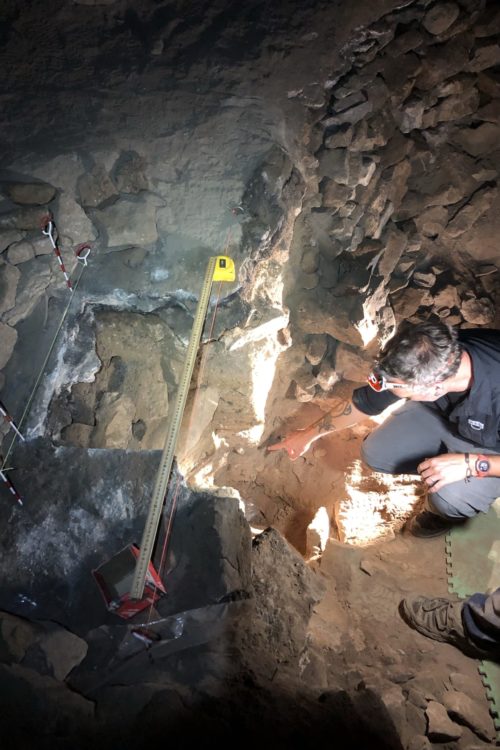
Laili Cave, located approximately 4.3 km from the northern coast of Timor-Leste, has been found to preserve the oldest human occupation in the Wallacean region and displays a cultural sequence spanning from 11,2000 to 44,600 cal BP. Current excavations are continuing to be directed by Sue O’Connor through the Australian National University with our Disperscapes team taking part in the geoarchaeological analysis of the site and its local landscapes.
Tam Pa Ling, Laos
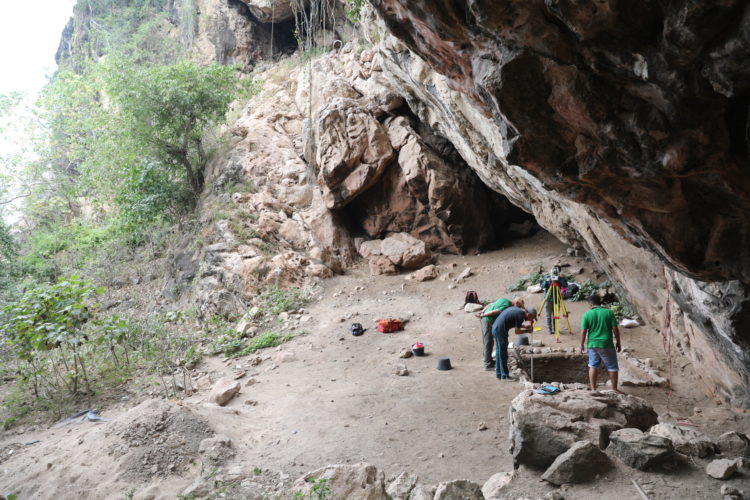
Fossils of modern human cranial elements dated to 63–46 ka have been recovered thus far from Tam Pa Ling. The main questions to which the #Disperscapes team seek to contribute include identifying and better understanding the taphonomy of the fossils, and providing a reconstruction of the depositional environments which will allow for a greater appreciation of the formation and preservation of the site.

Australian Sites
Cloggs Cave
Cloggs Cave is a karstic cave situated near Buchan in East Gippsland, Victoria. Previous excavations were conducted in the 1970s by Josephine Flood and it was during these excavations that the first occupational evidence at the site was uncovered, as well as evidence of small bone deposits and mega fauna (Flood 1973; Flood 1974).
Renewed investigations into the history of the cave are being led by Monash University (Melbourne), with specialists from Adelaide University, Flinders University, University of Melbourne, among others, and are geared towards reexamining the material from previous excavations as well as using new technniques to refine our understanding of the nature of the site and the lifeways of its occupants.