About

#Disperscapes is the current ARC Future Fellowship of Dr. Mike Morley, Associate Professor at Flinders University. Based out of Flinders, the project seeks to build upon and expand our knowledge of the sedimentological and environmental characteristics of regions associated with early hominin dispersal throughout Southeast Asia and into Australia. Primary questions to be addressed through #Disperscapes include:

  • What types of local and site environments existed at archaeological sites situated along a transect of climatic variability from central Indonesia to northern Vietnam during periods of occupation and non-occupation?
  • Can we correlate particular ground conditions with periods of occupation of a site? Were humans expanding their range in to particular favoured environments, or simply adapting to conditions sufficiently quickly?
  • Are there specific depositional and post-depositional conditions conducive to the preservation of fauna, organic biomarkers, residues and other archaeologically significant organic materials?

In reconstructing ground conditions directly associated with site occupation (or non-occupation as the case may be), we are better able to provide constraints for our answers to questions of ‘why’ and ‘how’ early hominins utilized the patterns and methods of colonization they did. Multi-level analysis of traditional block sediment samples, combined with catchment site analysis and further multi-component specialist approach to sediment analysis, will provide a wealth of information able to be extracted from archaeological and nearby sediments; a key to reconstructing and applying our knowledge of environmental processes and conditions at scales and resolutions rarely found in geoarchaeology, or even archaeological work in general.

In doing so, #Disperscapes aims to help refine the interpretation of key archaeological sites across a wide geographic range of Southeast Asia and Australia, while also providing information and methods to advance our understanding of archaeological site formation and diagenic processes in tropical and subtropical environments.
Frequently Asked Questions:

Q: What can geoarchaeology do to enhance archaeological research?

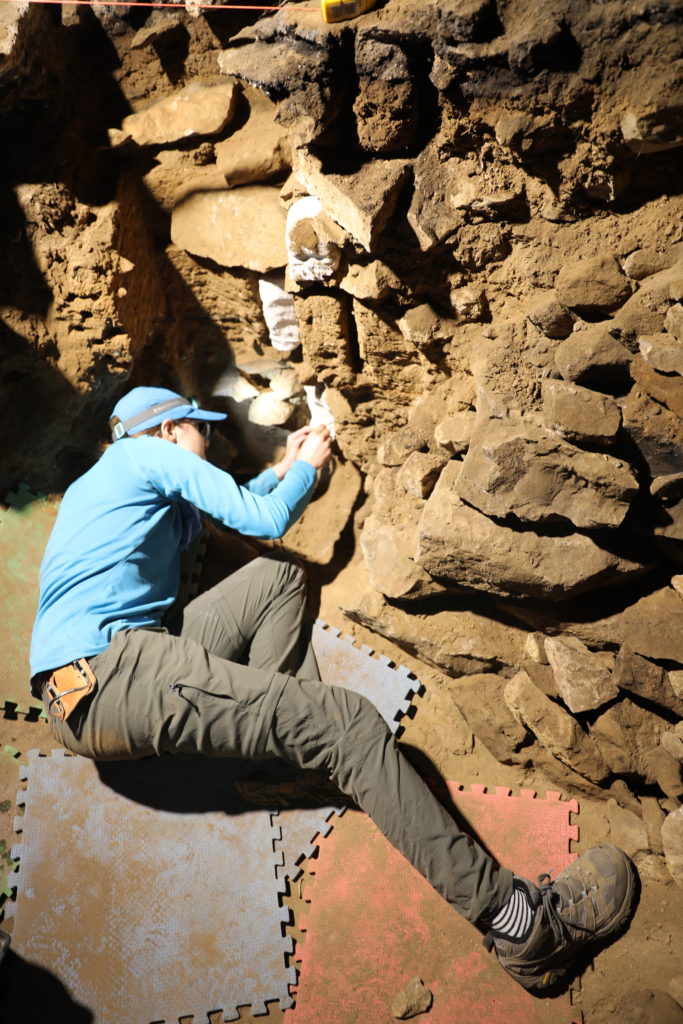
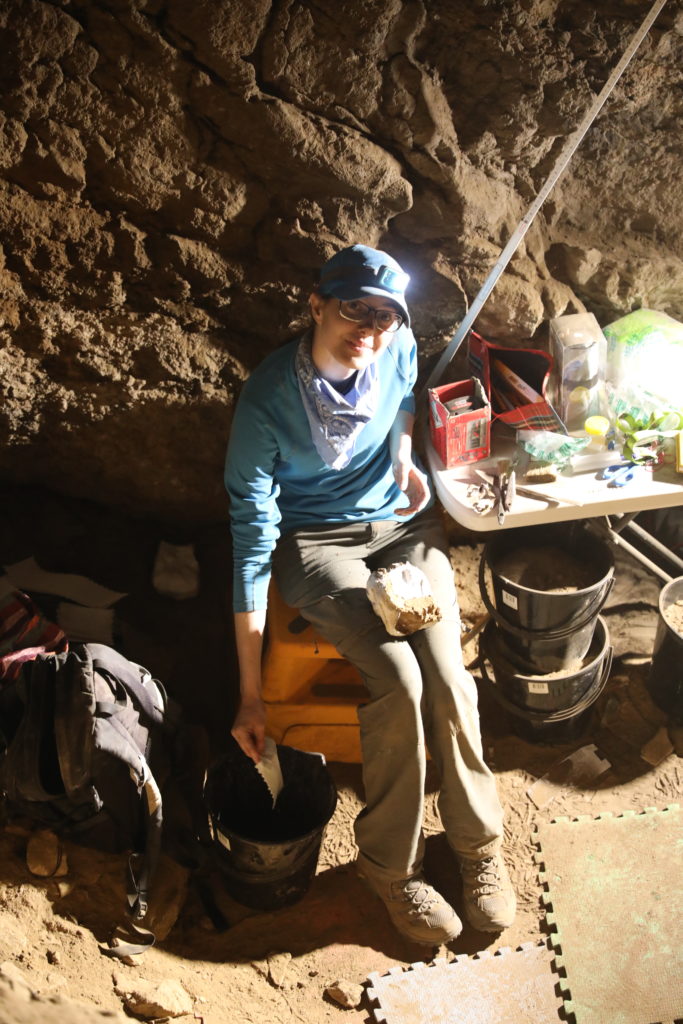
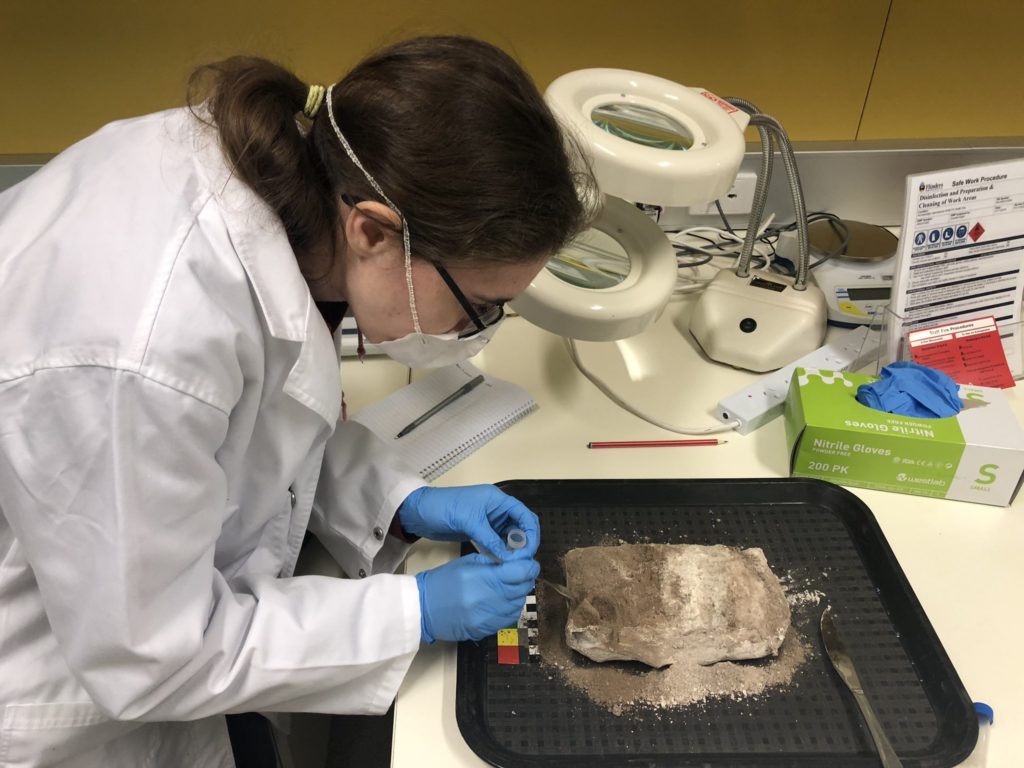
A: Geoarchaeologists use a variety of tools and techniques to enhance our understanding of archaeological sites and their surrounding environments. We focus heavily on materials and methods which unveil characteristics and data otherwise invisible to the naked-eye, especially during traditional excavations. This information allows archaeologists to better understand their site’s unique formational processes, as well as gives increased context and evidence (which would otherwise be missed) for the human interactions occurring on-site as well as in the surrounding landscape.

Q: At what stage should I get a geoarchaeologist involved on my site?

A: We highly recommend geoarchaeological work to begin at the same time as initial survey and excavation and continue throughout the duration of the project. This allows us to become familiar with the site and its unique challenges and expectations, while also providing the most amount of time, availability, and support to complete extensive survey and analysis depending on each site’s requirements and research questions.

Q: What methods would be best to use at my site?

A: Each site presents its own individual challenges and benefits, so some methods may be better suited to certain sites and not others. However, if you’re a dig director interested in utilizing geoarchaeology to support and expand your research, we highly recommend contacting us to see what techniques could be used on your site and if our project would be a good fit!

#Disperscapes: Where are we now?

Check out our other pages to learn more about the project and receive updates on our work!

News

For recent updates on the project from the team, head over to our news page to see recent site additions, new articles, exciting images and more!

The Team

Come meet members of the #Disperscapes team and our collaborators!

Sites

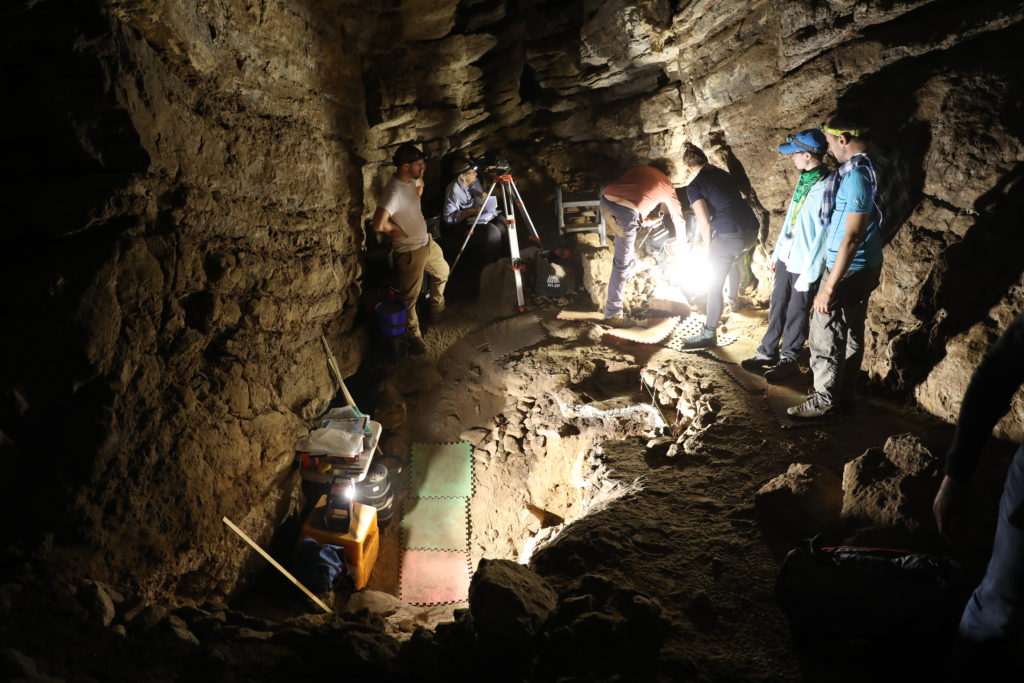
Interested in learning more about where we work? Our sites page will give you an introduction to our current sites.

Techniques

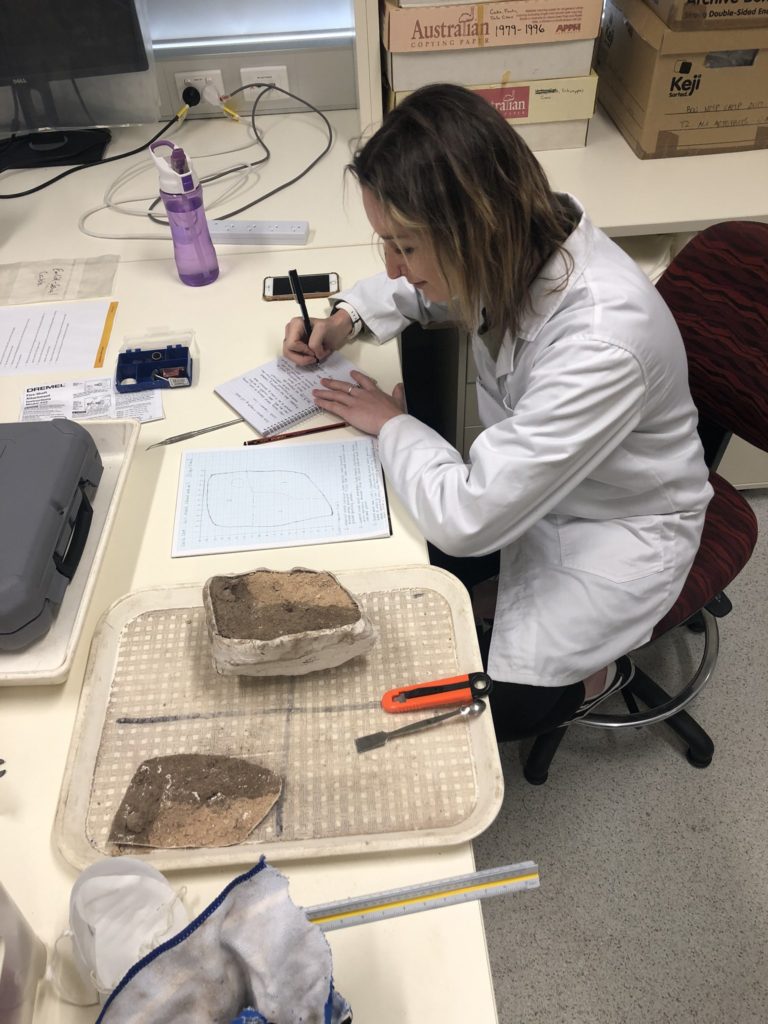
Ever wondered what geoarchaeological work looks like up close? Head on over to our techniques page where we give you a rundown of some of our commonly used methods and how they fit into the #Disperscapes project.

Contact Us

Have any questions or would like to collaborate with us? Contact us on here or on social media!